
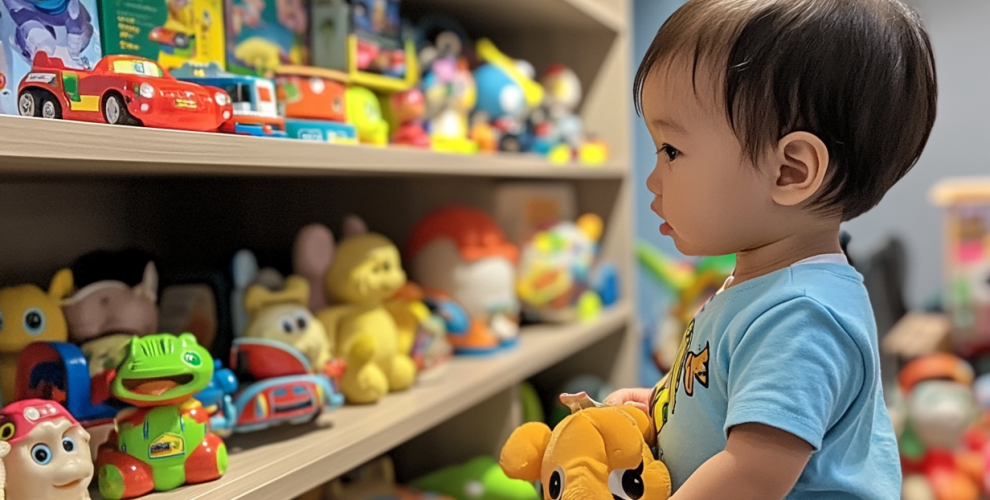
Nurturing Intelligence Starts at Home
As parents, we all want the best for our children. We want to see them succeed in school, grow into confident individuals, and develop the mental tools to thrive in a world that’s constantly changing. But while academic performance often takes centre stage, there’s something even more fundamental that shapes a child’s ability to learn and grow, and that’s your child’s intelligence.
Thanks to advances in neuroscience and cognitive psychology, we now understand far more about how young minds work and how parents can actively support their child’s cognitive and intellectual development from an early age.
At BrainFit, we’ve spent over two decades helping parents unlock their child’s full potential using scientifically proven brain-training methods. Founded by Cheryl Chia, an experienced paediatric physiotherapist specialising in the brain, BrainFit is built on a simple but powerful belief: Every child can become smarter with the right brain training, guidance and support.
In this article, we’ll guide you through:
- What cognition really means
- How intelligence develops in children and how it’s more than just an IQ score
- The powerful link between thinking skills and intelligence
- Practical, evidence-based strategies to improve children’s IQ
- The unique methods behind BrainFit’s success in boosting IQ and nurturing smarter, more resilient learners
Whether you’re raising a toddler, supporting a primary schooler, or guiding a teen through exams, you’ll discover clear, practical insights on how to boost child intelligence through BrainFit and neuroscience!
What is Cognition? A Parent’s Guide
Cognition is a word that gets thrown around in education and psychology circles, but what does it really mean for your child? Simply put, cognition refers to how the brain handles information, thinks, learns, remembers, and makes sense of the world.
Think of cognition as the “operating system” of your child’s brain. It’s the mental engine behind everything they do, like remembering instructions or even deciding what to eat for lunch.
When we talk about brain training for kids, we’re really talking about improving these core mental functions. Just like muscles can be strengthened with exercise, cognitive skills can be developed with the right tools and strategies. Find out what’s really going on in your child’s brain. Begin their BrainFit journey with a scientific assessment.
Core Cognitive Skills Every Parent Should Know
Here are the main cognitive processes that shape your child’s learning and behaviour:
Perception – Helps your child interpret the world through their senses, like recognising faces or images in books.
Attention – The ability to focus without getting distracted, essential for classroom learning.
Memory – Enables your child to retain and recall information, both short-term and long-term.
Language Processing – Involves understanding and using language to follow instructions and express thoughts.
Decision-Making & Reasoning – Supports problem-solving, evaluating choices, and thinking critically.
Cognition in Everyday Life: What Parents Can Watch For
Watch for signs that your child may need support in key cognitive areas:
- Struggles with multi-step instructions → may signal weak sequencing skills, memory or attention
- Easily distracted → eye tracking, impulse inhibition or attention skills may need strengthening
- Difficulty expressing thoughts → could point to underdeveloped auditory or language processing
- Gives up quickly on challenges → may indicate poor resilience, reasoning or problem-solving
Noticing these early allows you to take proactive steps using targeted brain training strategies.
Understanding Your Child’s Intelligence: Beyond Just IQ Scores

Intelligence is a complex, dynamic quality, and as a parent, understanding its full scope can help you better support your child’s growth.
Intelligence isn’t fixed at birth. In fact, with the right tools and support, you can boost your child’s IQ by developing the cognitive foundations that intelligence depends on.
So, What is Intelligence?
Intelligence involves understanding abstract concepts, thinking logically, and using what you know to make decisions.
While IQ (intelligence quotient) is a way to measure certain aspects of intelligence, it doesn’t capture everything that makes a person smart, capable, or successful. Many experts now agree that intelligence includes a wide range of abilities, including:
- Verbal-linguistic intelligence (using language effectively)
- Logical-mathematical intelligence (reasoning and problem-solving)
- Visual-spatial intelligence (understanding visual information)
- Emotional and social intelligence (recognising and managing emotions)
- Creative intelligence (generating new ideas and solutions)
The Dynamic Nature of Intelligence
Neuroscience shows that intelligence is not fixed—it can grow, especially in early childhood when the brain is highly adaptable.
- Early years matter – The brain forms connections rapidly during this time.
- Stimulation boosts growth – Rich, targeted experiences improve core skills like memory and attention.
- Intelligence evolves – With consistent support, children can strengthen their mental abilities over time.
A Parent’s Role in Developing Intelligence
As a parent, your role is incredibly powerful. You’re not just a caregiver, you’re your child’s first and most influential teacher. Every day, you can provide opportunities to:
- Ask questions that make your child think
- Encourage them to find solutions on their own
- Praise effort and persistence, not just results
- Expose them to diverse experiences, ideas, and challenges
These actions help shape how your child approaches learning and how their brain develops in the long term.
BrainFit’s Holistic View of Intelligence
At BrainFit, we don’t just look at a child’s IQ score, we look at the full picture of how they think and learn. Through our CognitiveMAP Assessment, we identify each child’s unique cognitive profile, highlighting strengths and pinpointing areas for growth.
This approach, developed by Cheryl Chia, reflects the latest neuroscience on childhood intelligence development. Rather than trying to “teach to the test”, BrainFit focuses on building the brain itself, strengthening the mental pathways that support better learning, reasoning, and problem-solving.
The Link Between Cognition and Intelligence
Understanding how cognition and intelligence are connected is key to helping your child succeed not just in school but in life.
What’s the Difference?
- Cognition refers to the brain’s mental processes, like attention, memory, language, and reasoning.
- Intelligence is how effectively your child uses those processes to learn, solve problems, and adapt to new situations.
While they’re not the same thing, they work hand-in-hand. Your child’s intelligence depends on the strength of their cognitive skills.
How Cognitive Skills Power Intelligence
Imagine your child is given a task in school. To complete it, they must:
- Focus on instructions (attention)
- Remember the steps (memory)
- Understand what’s being asked (language)
- Solve the problem (reasoning)
These actions are powered by cognitive skills. The stronger these skills, the easier it is for your child to think clearly, learn quickly, and perform well.
Why Brain Training Works
BrainFit’s approach focuses on building these foundational skills through proven brain exercises for smarter kids. We don’t just teach content, we train the brain itself.
Using tools like the CognitiveMAP Assessment, we assess your child’s cognitive profile and create a personalised brain training plan.
Brain Training for Kids – Evidence-Based Strategies That Work
What if we could go deeper and strengthen the brain itself, making learning easier and more natural for our children?
Unlike tutoring, which focuses on academic content, brain training targets the core cognitive skills that power all learning like memory, attention, and processing speed. And the best part? These skills can be improved with regular, intentional practice.
What Is Brain Training?
Brain training involves structured activities designed to stimulate and strengthen different parts of the brain. When done consistently and strategically, these exercises can lead to lasting improvements in a child’s ability to think, learn, and solve problems.
At BrainFit, we use science-backed methods to help children become faster, clearer thinkers. Our programmes are grounded in evidence-based strategies to improve children’s IQ, tailored to each child’s unique cognitive profile.
DIY Tips: Brain-Boosting Activities Parents Can Use at Home
Here are some simple brain-training activities you can do yourself and start using with your child today:
1. Memory Games
Games like matching cards, “what’s missing?”, or storytelling help strengthen working and long-term memory.
2. Focus Builders
Try attention-boosting games such as “Simon Says”, or set short focus challenges with a timer to encourage sustained concentration.
3. Problem-Solving Tasks
Puzzles, LEGO challenges, riddles, and board games teach logic, strategy, and flexible thinking.
4. Language Activities
Reading aloud, rhyming games, and word-building exercises support verbal comprehension and expressive language.
5. Visual and Spatial Challenges
Use tangrams, mazes, or drawing tasks to improve visual-spatial reasoning.
These are not just fun, they’re proven brain exercises for smarter kids that directly strengthen the skills needed for better thinking and learning.
Developing Thinking Skills – A Key to Lifelong Intelligence

If cognitive skills are the engine of learning, then thinking skills are the driver. While brain training strengthens the brain’s capacity, developing thinking skills teaches children how to use that capacity wisely. And when both work together, the results are powerful.
Children who are taught to think critically, creatively, and reflectively become better problem-solvers, more independent learners, and more resilient in the face of challenges. These are the qualities that make intelligence practical, not just in school but throughout life.
Why Thinking Skills Matter
Thinking skills help children:
- Make sense of information
- Organise their thoughts around a topic
- Form logical conclusions
- Come up with creative solutions
- Evaluate choices and outcomes
- Reflect on their learning and improve over time
These skills go beyond academic achievement; they shape a child’s ability to navigate the world confidently and intelligently.
Five Types of Thinking Every Child Needs
- Critical Thinking – Closed-ended thinking; Ask “why” and “how” questions, solve riddles, and weigh options together to build reasoning.
- Creative Thinking – Open-ended thinking; Encourage storytelling, drawing, and inventing games to spark imagination.
- Logical Reasoning – Sequential, cause-effect thinking; Use puzzles, chess, and strategy games to teach planning and strategic step-by-step thinking.
- Metacognition – Reflective thinking, cause-effect thinking; Help your child reflect by asking what worked and what they’d change next time.
- Real-Life Problem Solving – Involve them in daily decisions like budgeting or planning to boost adaptability.
How BrainFit Supports Parents and Children
No two children learn the same way. That’s why our approach is personalised, science-backed, and designed to meet children where they are, whether they’re just beginning to explore the world or preparing for academic challenges.
Personalised Brain Training with CognitiveMAP
Every BrainFit journey begins with our CognitiveMAP Assessment. This tool evaluates your child’s cognitive profile, measuring areas like attention, memory, language, and processing speed. It gives both parents and educators a clear picture of how the child’s brain works and what it needs to thrive.
From there, we create a customised training plan using BrainFit methods, based on over 20 years of neuroscience research. These methods are built around evidence-based strategies to improve children’s IQ and support meaningful, lasting progress in both learning and thinking.
Programmes for Every Stage of Development
BrainFit offers age-specific programmes to nurture and grow your child’s cognitive skills at every stage:
- BrainFit Baby: A sensory-rich, guided-play programme for infants and toddlers to strengthen early brain development through a wide range of play types that boost both cognitive and thinking skills
- BrainFit Junior: Designed for preschool-aged children, this programme focuses on building attention, language, self-management, executive function, motor and basic academic skills, laying a strong foundation for school readiness
- BrainFit Scholar: A personalised cognitive training programme for primary and secondary school-aged children to improve attention stamina, memory, processing speed, cognitive flexibility, emotional management and academic thinking skills
Each programme is built to strengthen the core brain functions that support learning, offering proven brain exercises for smarter kids at every developmental stage.
Raising Smarter, Happier Children
Supporting your child’s intelligence doesn’t require complex methods. It starts with understanding how their brain works and helping them strengthen the skills behind learning.
By focusing on cognition, thinking skills, and personalised support, you’re not just helping your child do better in school, you’re giving them tools for life.
Ready to see the difference? Take our assessment and discover your child’s unique learning profile today
References
- American Psychological Association. (2020). Cognition. In APA Dictionary of Psychology. Retrieved from https://dictionary.apa.org/cognition; Accessed 19 June 2024
- Lunevich, L. (2022). Human Intelligence and Giftedness. CRC Press EBooks. https://doi.org/10.1201/9781003329145-2; Accessed 19 June 2024
- Deary, I. J. (2012). Intelligence. Annual Review of Psychology, 63, 453-482. https://www.researchgate.net/publication/51670296_Intelligence; Accessed 19 June 2024
- Diamond, A., & Lee, K. (2011). Interventions Shown to Aid Executive Function Development in Children 4 to 12 Years Old. Science, 333(6045), 959-964 https://www.ncbi.nlm.nih.gov/pmc/articles/PMC3159917/; Accessed 19 June 2024
- Schraw, G., Crippen, K. J., & Hartley, K. (2006). Promoting Self-Regulation in Science Education: Metacognition as Part of a Broader Perspective on Learning. Research in Science Education, 36, 111-139
- https://www.researchgate.net/publication/225234905_Promoting_SelfRegulation_in_Science_Education_Metacognition_as_Part_of_a_Broader_Perspective_on_Learning; Accessed 19 June 2024