
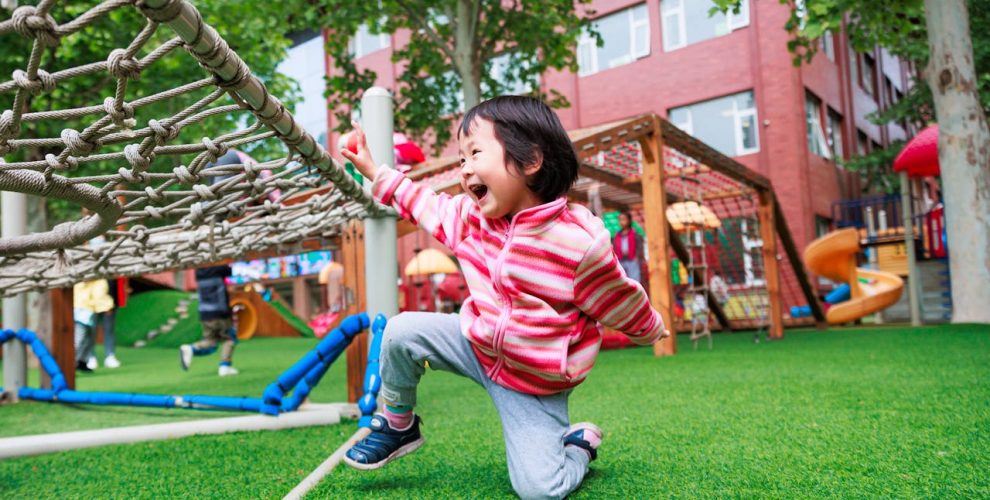
Have you ever wondered what helps you sit upright without falling over or control a pencil effectively to write or draw? It’s the “sensory-motor” part of your brain. Often unnoticed, this brain fitness area works quietly and continuously, supporting our daily lives and activities without extra effort.
The Importance of Our Senses
Our sensory-motor brain fitness allows us to hold an egg gently without breaking it, as our brain automatically adjusts the force we exert. Various sensors in our body provide continuous feedback to our brain, enabling us to use the right amount of force and correct movement patterns for different activities. Whether walking downstairs in a dark movie theater, manipulating a pen with refined control, or swinging a tennis racquet, our body sensors gather feedback and inform our brain, allowing our muscular system to perform effectively.
These body sensors include our sense of touch, balance, and joint position awareness. They must provide the brain with accurate information about our body so that the brain can relay this information to our muscles to execute appropriate movements. Beyond these daily functions, our sensory systems also help regulate our state of arousal, moods, and attention, all vital for success in learning and school.
For a long time, we thought sensory-motor abilities only affected our physical or sporting performance. Recent research reveals the close relationship between our sensory-motor functions and cognitive learning abilities. A study presented at the annual meeting of the Society for Neuroscience in 2010 involved rats with weights attached to their tails, climbing a ladder five sessions a week. Other rats ran on a treadmill, and a third group was sedentary. After eight weeks, the running rats and the weight-bearing rats had higher levels of brain chemicals important for new brain cell growth. They also performed well on tests of learning and memory. The sedentary rats showed no such increase. This study, among others, indicates that exercise enriches the brain and enhances learning abilities.
Children and Movement
What about children? Does movement and exercise make our children smarter, too? Absolutely! Research shows a relationship between movement, exercise, and cognitive abilities in children. Increased physical fitness correlates with higher IQ, better memory, increased attention, and faster reaction times. Brain scans reveal that physically fitter children have a larger hippocampus (important for memory formation) and a larger basal ganglia (important for maintaining attention and executive control).
Here are five tips on movement and learning for parents:
1. Include Physical Activity in Daily Routine
Ensure your child has time for physical activity every day. Whether playing at the playground, participating in a sport, or just kicking a ball in the park, any physical activity is beneficial for the brain compared to a sedentary routine.
2. Outdoor Play
Especially for young children and preschoolers, outdoor play provides rich sensory exposures. Activities like playing in a sandpit, picking up twigs and leaves, and running barefoot in clean grass enhance the development of their touch sensors.
3. Choosing Physical Enrichment Classes
- For building physical stamina: swimming or soccer
- For body coordination, timing, and rhythm: dance and gymnastics
- For focus and core stability: martial arts
- For eye-hand coordination and reaction speed: ball sports
- For social skills and teamwork: team activities like soccer
4. Focus on Strengths or Weaknesses
If aiming for professional athleticism, choose activities based on your child’s strengths. If focusing on remediating cognitive weaknesses, select activities that offer practice opportunities in those areas. Always be guided by your child’s interests to avoid associating physical activity with dread.
5. Exercise as a Family
Physical activities benefit both adults and children’s brains. Activities like jogging together or playing frisbee in the park not only boost brain health but also bring the family closer together.
BrainFit combines classroom approaches and multi-sensory activities to help boost your child’s development. We tailor fit programmes to fit the needs and requirements of each child.
Want to learn more? Check out our programmes here.
References
- The Effect of Movement on Cognitive Performance, https://www.ncbi.nlm.nih.gov/pmc/articles/PMC5919946/ Accessed 25 June 2024
- A 6-week coordinative motor training program improves spatial ability performances in healthy children, https://www.frontiersin.org/journals/cognition/articles/10.3389/fcogn.2024.1396399/full Accessed 25 June 2024
- Motor skills and cognitive benefits in children and adolescents: Relationship, mechanism and perspectives, https://www.ncbi.nlm.nih.gov/pmc/articles/PMC9721199/ Accessed 25 June 2024
- Differential features of early childhood motor skill development and working memory processing: evidence from fNIRS, https://www.frontiersin.org/journals/behavioral-neuroscience/articles/10.3389/fnbeh.2023.1279648/full Accessed 25 June 2024